No color has influenced more than the color Black. Before it became a symbol or power, mystery, elegance, or fear, black existed- and still exists- throughout the natural world, rooted in biology.
That biological foundation doesn’t stop at the natural world-it extends into the stories we tell. Through a character’s hair, eyes, or darker skin tone, eumelanin is the pigment responsible for darker complexions. Because eumelanin absorbs light and creates these defining features it has become woven into visual media far beyond its biological origins.
Whether it’s etched into a character’s design through their hair and eye color like Bayonetta, expressed through clothing and costume designs as seen in Clair Obscur: Expedition 33, or embodied by the character themselves, like Virgil Hawkins in the classic T.V. series Static Shock. Black has shown time and time again that it’s more than just a color, it’s a visual language that carries meaning.
Bayonetta
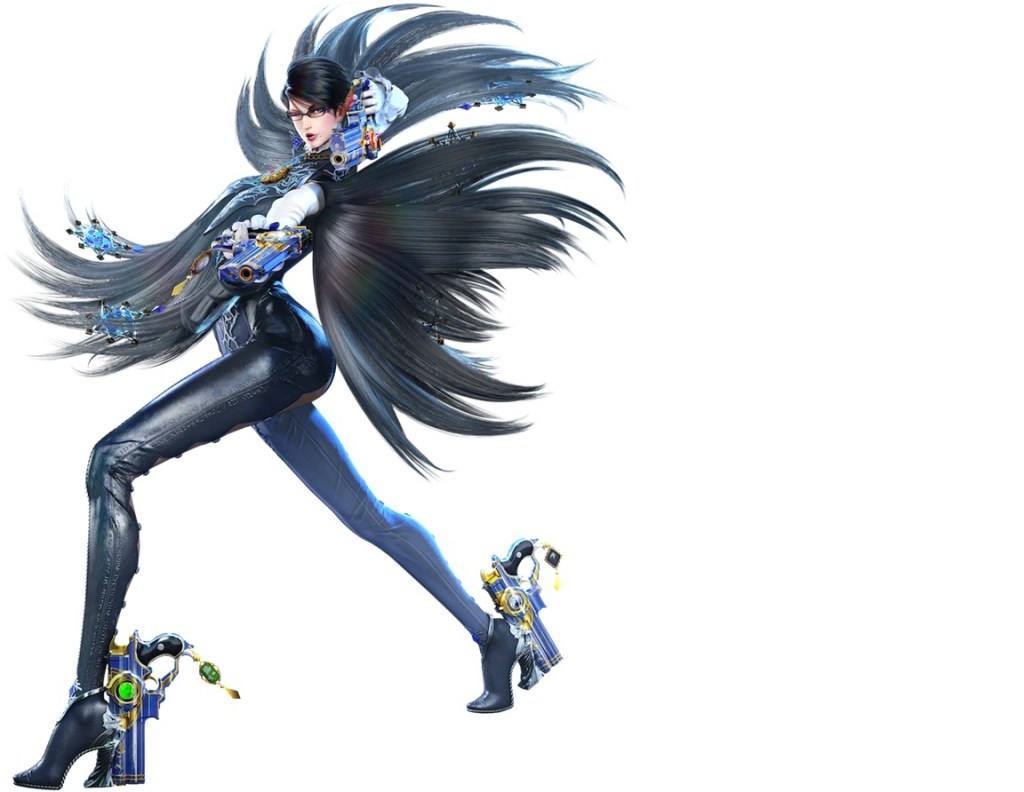
Black has shown time and time again that it’s more than just a color, it’s a symbol that shapes how an audience perceives a character.
Among the many characters who embody this symbolism, Bayonetta stands out. Throughout the series black has been shown to be more than a stylistic choice; it serves as a visual representation of her immense power, confidence, and her control of magic.
Scientifically, black is often associated with the absorption of light. Eumelanin, the pigment that gives hair, eyes, and skin their darker complexion, absorbs more light than any other pigments, creating the rich and dark tones found in nature. Bayonetta’s design builds upon this natural phenomenon, using black to signify strength, mystery, and immense magical power.
Just as eumelanin gives black hair its distinctive appearance in nature, Bayonetta’s black hair becomes the foundation of her supernatural identity, linking biology with fantasy.
While Bayonetta’s powers are supernatural, her design reflects principles found in nature. Black is the visual result of absorbing nearly all wavelengths of visible light rather than reflecting them, making it a color often associated with depth and hidden energy. Similarly, eumelanin—the pigment responsible for dark hair and eyes—absorbs ultraviolet radiation, protecting the body from harmful solar exposure.
By dressing Bayonetta almost entirely in black, the game’s artists create a visual parallel between these scientific properties and her magical abilities. Just as black absorbs light, Bayonetta appears to absorb, command, and channel supernatural power, reinforcing her role as an Umbra Witch.
Clair Obscur: Expedition 33

Frequently, black has shown itself to be both a stylistic choice for character design and a storytelling device. While many series incorporate black into their characters’ appearances, Clair Obscur: Expedition 33 uses the color as an extension of its world’s themes. Throughout the game, black and gold appear across its environments, uniforms, and character designs, creating a visual connection between elegance, mystery, and the manipulation of external forces.
As discussed previously, black’s physical properties are rooted in its ability to absorb light. Although eumelanin’s biological purpose is pigmentation and protection from radiation, the concept of absorption has become a powerful visual metaphor in fiction. In Clair Obscur: Expedition 33, this idea is reflected through the characters’ relationship with crystals, which serve as sources of external energy that can be collected and manipulated. The use of black within the game’s visual design reinforces this theme, suggesting control over forces beyond the characters themselves.
Static Shock
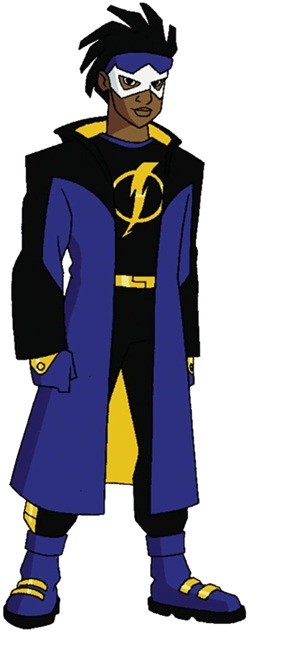
Credit: Static Shock fandom page
Earlier in this article, we explored how eumelanin influences physical characteristics such as skin pigmentation, hair color, and eye color. Beyond its biological role, however, eumelanin also offers a compelling lens through which to examine identity and representation in popular culture.
In recent years, debates surrounding “race-swapping” and superficial diversity have sparked conversations about authentic representation in superhero media. Static Shock stands apart from these discussions because he was introduced as an original Black superhero with his own mythology, animated series, and cultural identity long before those debates became widespread. Beyond representation, Static Shock’s design also lends itself to an intriguing scientific interpretation.
His darker complexion becomes more than a visual marker of identity when viewed alongside the unique electrochemical properties of eumelanin. Some studies have explored eumelanin’s electrochemical properties and its ability to interact with electrical energy, leading researchers to describe it as exhibiting battery-like behavior under certain conditions.
In the natural world, eumelanin possesses electrochemical properties that allow it to absorb and exchange electrical energy, leading some scientists to describe it as exhibiting battery-like behavior under specific conditions. Static Shock’s power of electricity, mirrors this exact phenomenon merging science and media.
Similarly to how electricity is able to amp itself up through powerlines, electrical grids, appliances, etc. Static Shock has those same attributes. There are many scenes where he is absorbing the electricity around him whether it be through appliances, powerlines, or even through other people.
Designing Static Shock as a black character was more than a choice, it’s backed by the laws of nature itself. Comparative to how eumelanin is a natural generator and battery within nature, we see Static Shock having those same capabilities while also being shown to manipulate and harness electricity in different ways. This uses his identity more than a shallow representation, but as a physical representation of science itself.
Conclusion
Before black was associated with power, authority, or even identity it was a pigment found in nature. Responsible for the darker complexion of a person’s hair color, eye color, or skin tone, eumelanin – the pigment responsible for darker complexions – was already influential in the biological sphere. And it was only a matter of time before the media took inspiration from it as well.
With its natural abilities to absorb light and its chemical properties to act as a natural battery, it’s only natural that the media would incorporate a few of its natural abilities into the stories we love.
As we’ve seen in Bayonetta her design and power demonstrates the properties of the color black with how she’s able to absorb nearly all wavelengths of visible light rather than reflecting them. Drawing a parallel to how eumelanin—the pigment responsible for dark hair and eyes—absorbs ultraviolet radiation, protecting the body from harmful solar exposure. Just as a character’s biological features can be influenced by the color, their clothes can also become a symbol of one’s ability.
Clair Obscur: Expedition 33 adopts this concept through their characters’ appearances, and using the color as an extension of its world’s themes. Throughout the game, Expedition 33 uses black and gold to communicate a visual connection between its environment and its characters, creating an air of elegance, mystery, and the manipulation of external forces.
Being aware of black’s natural ability to absorb light and by extension its protection against UV radiation, absorption has become a powerful visual analogy within the series. This idea is reflected through the characters’ relationship with crystals, which serve as sources of external energy that can be collected and manipulated. By using black as a prominent visible motif the theme is supported, suggesting control over forces beyond the characters themselves.
While we’ve discussed the scientific components of eumelanin influences over physical characteristics, its reach extends far beyond its biological role. The series Static Shock uses eumelanin as both a scientific foundation for his abilities and as an impactful way to explore identity and representation in popular culture. While being an exception to today’s debates about “race-swapping” and superficial diversity, Static Shock was introduced as an original Black superhero with his own mythology, animated series, and cultural identity years beforehand. While the show focuses on his identity as a black teen in a major city, his cultural identity also creates a compelling scientific connection to the natural world.


Leave a comment